
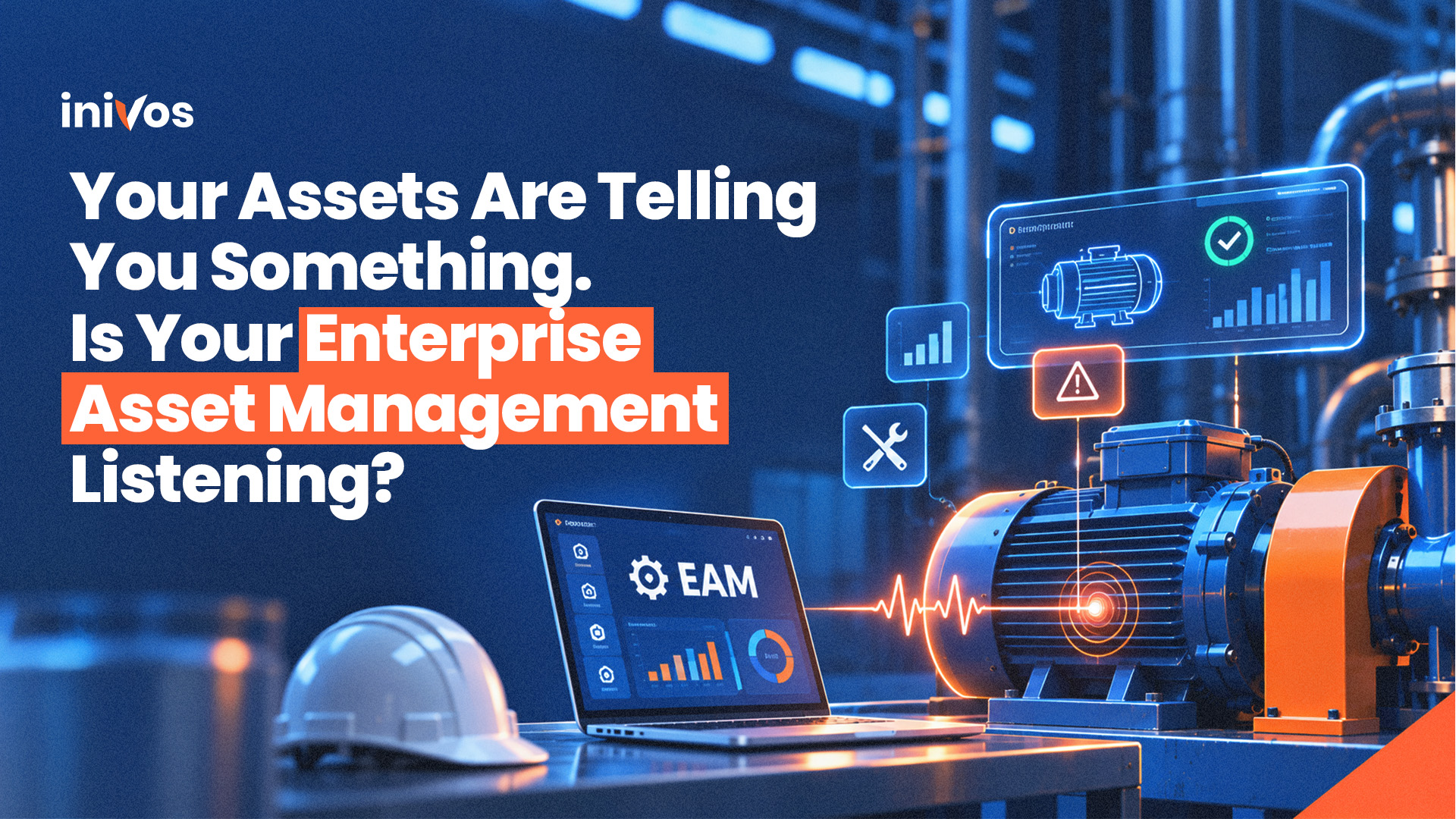
Every machine, component and connected device generates information about how an operation performs. From equipment uptime and production output to energy consumption and maintenance records, these data points hold valuable insights into asset health. Yet, many organizations struggle to turn this information into meaningful action.
The challenge is not necessarily a lack of data. It is the ability to access, connect and interpret it at the right time. Traditional approaches to Enterprise Asset Management (EAM) can leave businesses relying on fragmented information and reactive maintenance decisions. With AI becoming increasingly integrated into EAM, organizations have an opportunity to move beyond simply monitoring assets towards understanding and anticipating their needs.
From Scattered Data to Smarter Decisions
Asset information comes from multiple sources, including IoT-connected devices, machines, operational systems and human input. However, when this information remains scattered across different platforms, gaining a complete picture of asset performance becomes difficult.
AI helps bridge this gap by analyzing both structured and unstructured data, identifying patterns and bringing relevant insights together. Instead of spending valuable time gathering information from disconnected sources, maintenance and operations teams can access intelligence that supports faster, more informed decisions.
Move Beyond Reactive Maintenance
Waiting for equipment to fail before taking action can disrupt operations, increase maintenance expenses and affect productivity. AI-assisted EAM supports a more proactive approach by continuously analyzing asset performance and identifying unusual patterns that may indicate potential problems.
Through predictive modeling, anomaly detection and historical performance analysis, organizations can anticipate equipment issues and plan maintenance before failures occur. This allows teams to make more informed decisions about when to repair components, schedule interventions or adjust operations, helping reduce unexpected downtime and extend asset lifecycles.
Make Every Maintenance Decision Count
Effective asset management involves more than keeping equipment operational. It also requires making the best use of available people, parts, time and resources.
AI-powered insights can improve maintenance planning and scheduling by helping organizations understand current asset conditions and future requirements. Better visibility into equipment performance also supports decisions around spare parts inventory, staffing and resource allocation.
The result is a more coordinated maintenance strategy where resources are directed towards the areas that need them most.
Build Reliability Into the Entire Asset Lifecycle
Asset reliability should not be treated as a one-time maintenance objective. It requires continuous monitoring, analysis and improvement throughout an asset's lifecycle.
With IFS Cloud EAM, AI is embedded into the platform to help organizations contextualize operational intelligence, simulate outcomes and support predictive maintenance. By connecting asset information with actionable insights, businesses can strengthen reliability, improve productivity and make decisions with greater confidence.
Turn Asset Intelligence Into Business Advantage
The future of asset management is not simply about collecting more data. It is about knowing what that data means and acting before small issues become major disruptions.
By combining AI with EAM, organizations can move towards more intelligent, proactive and reliable operations, making every asset a greater contributor to business performance.


