
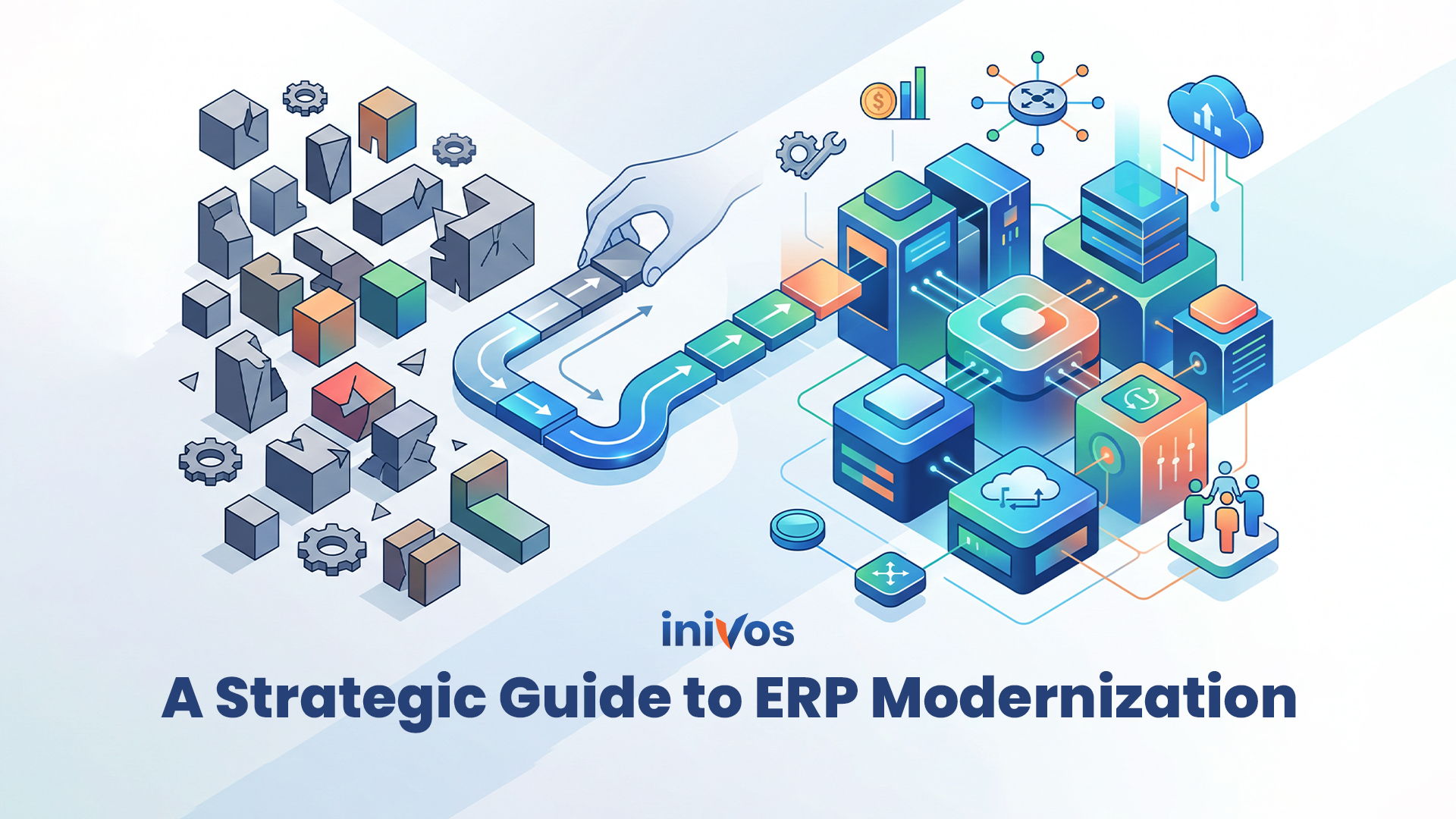
For Business Transformation Leads in the manufacturing sector, the countdown to legacy system expiration has begun. As traditional solutions lose support, leaders face a defining choice: do nothing and risk compromise, commit to a grueling multi-year migration, or embrace a more flexible modernization strategy.
True transformation is no longer about just keeping pace; it is about orchestrating change that delivers measurable outcomes without locking the enterprise into inflexible, expensive commitments.
The Hidden Costs of Traditional Migrations
Many manufacturers find themselves trapped in prolonged implementation cycles that span two to four years. These extended timelines delay time-to-value and stall parallel innovation programs while core transformation teams remain tied up in delivery.
The risks of the "traditional" path include:
- Escalating Indirect Costs: Beyond licensing, costs skyrocket due to data remediation, training, and Organizational Change Management (OCM) overhead across multiple plants.
- Closed Ecosystems: Monolithic designs often constrain a composable strategy, making it difficult to integrate best-of-breed tools for analytics or MES while reusing existing successes.
- Change Fatigue: Rebuilding processes from the ground up drains employee adoption energy and slows continuous improvement.
Modernizing Without Compromise
Transformation leaders are increasingly turning toward architectures that enable rapid experimentation and standardized processes. The goal is a "composable" operating model one that supports integration and extensibility without disruptive rebuilding. By leveraging built-in automation and role-based analytics, manufacturers can accelerate outcomes without the need for heavy, disjointed "bolt-on" solutions.
Strategic Next Steps
To ensure a successful roadmap, manufacturing leaders should conduct a Rapid Fit Assessment to map data reuse and process scope. By focusing on high-impact use cases such as AI-enabled planning or predictive maintenance organizations can build a phased modernization plan that aligns with enterprise architecture and delivers "quick wins" to maintain cultural momentum.
Why Teams Choose IFS
IFS Cloud is designed specifically to align with manufacturing realities, from discrete to process-based operations. Unlike generic ERPs, it offers a unified platform that integrates ERP, Enterprise Asset Management (EAM), and Field Service Management (FSM) into a consistent user experience.
Through its composable architecture, IFS Cloud allows you to deploy only what you need today such as MRP or MES integration and scale as your business evolves. With embedded Industrial AI and proven migration frameworks, IFS helps manufacturers go live in months rather than years, transforming the digital core into a secure, agile engine for growth and sustained adoption.


.png)
